Commercial facilities can prevent many winter roof leaks by scheduling fall roof inspections, clearing gutters and drains, repairing damaged flashing, checking rooftop penetrations, and addressing signs of moisture before freezing temperatures arrive. A proactive commercial roof maintenance plan helps reduce water intrusion, protect building interiors, and minimize unexpected repairs that could interrupt business operations.
Winter weather can create serious challenges for commercial buildings, especially when existing roof problems go unnoticed. Rain, snow, ice, and temperature fluctuations can expose vulnerabilities in roofing materials, drainage systems, and structural connections.
At ServWell National, we understand how important reliable building maintenance is for businesses operating one or multiple commercial locations. Our nationwide facility maintenance services help property managers and business owners address building repairs, exterior maintenance, and seasonal property concerns. With centralized coordination and experienced service professionals, we help businesses stay ahead of maintenance issues while keeping daily operations moving.
Preventing commercial roof leaks begins with knowing where problems develop, recognizing early warning signs, and taking action before winter weather makes repairs more complicated.
Commercial Roof Leak Prevention: Essential Maintenance Steps Before Winter
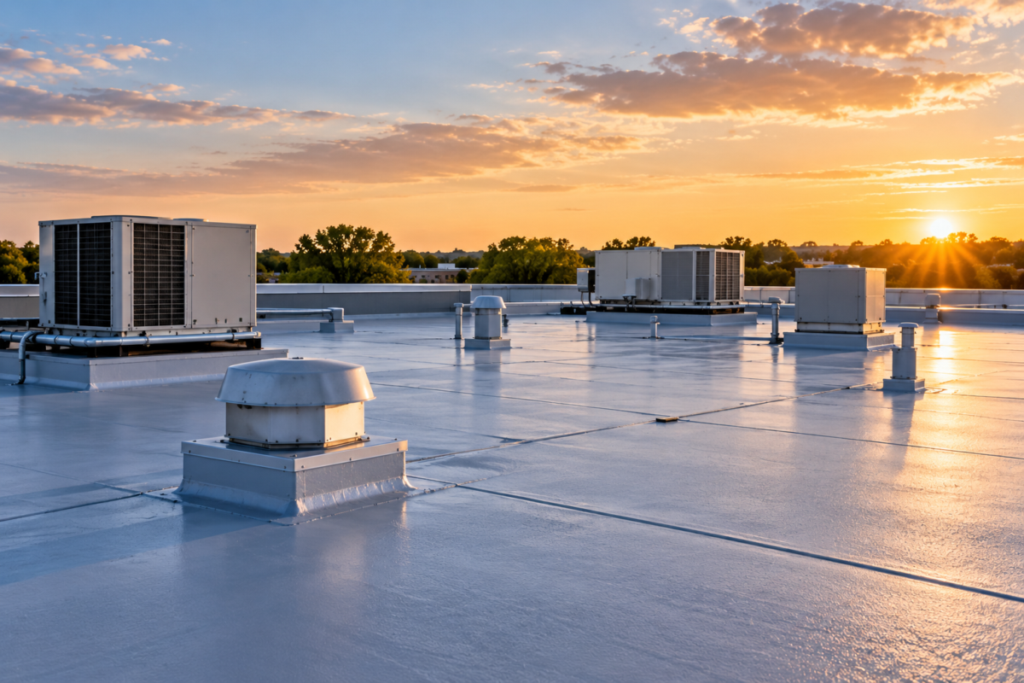
Commercial roof leak prevention focuses on maintaining roofing materials, drainage systems, flashing, and vulnerable connection points. Fall is an ideal time to evaluate these components because maintenance teams can identify damage before winter conditions increase the risk of water intrusion.
1. What Are the Most Common Causes of Commercial Roof Leaks During Winter?
Winter commercial roof leaks often result from damaged roofing membranes, deteriorated flashing, blocked drainage systems, and improperly sealed rooftop penetrations.
Commercial roofing systems experience continuous exposure to weather and environmental conditions. Over time, these factors can weaken protective materials and allow moisture to enter the building.
Common causes include:
- Damaged roofing membranes: Tears, punctures, and deteriorated seams can allow water beneath the roof surface.
- Compromised flashing: Loose or damaged flashing around roof edges, vents, and equipment can create entry points for moisture.
- Clogged roof drains: Leaves, debris, and standing water can interfere with proper drainage.
- Deteriorated sealants: Aging sealants around rooftop penetrations may lose their ability to prevent water intrusion.
- Temperature fluctuations: Repeated freezing and thawing can worsen existing cracks and gaps.
- Rooftop equipment connections: HVAC units and other roof-mounted systems may have vulnerable joints or penetrations.
Understanding these risks helps facility managers prioritize inspections and repairs.
Even small openings can lead to significant interior damage when exposed to repeated precipitation.
2. How Often Should Commercial Roofs Be Inspected to Prevent Leaks?
Commercial roofs should generally receive professional inspections at least twice per year, typically in spring and fall, along with additional inspections following severe weather events.
The National Roofing Contractors Association recommends regular roof evaluations as part of an effective maintenance program.
Fall inspections are particularly important because they provide an opportunity to identify damage before winter weather arrives.
During an inspection, qualified roofing professionals may evaluate:
- Roofing membrane condition and visible deterioration.
- Seams, joints, and roof transitions.
- Flashing around rooftop equipment and penetrations.
- Gutters, downspouts, and internal roof drains.
- Signs of ponding water or drainage restrictions.
- Previous repair areas that may require additional attention.
- Visible evidence of moisture intrusion.
Inspection requirements may vary depending on roof type, age, manufacturer recommendations, and environmental conditions.
Facility managers should also maintain inspection records, including photographs and repair recommendations.
These records can help track recurring problems and support better long-term maintenance decisions.
3. Why Is Proper Roof Drainage Important Before Freezing Temperatures?
Proper roof drainage helps prevent water accumulation that can increase the risk of leaks, roofing material deterioration, and structural stress.
Commercial buildings with flat or low-slope roofs may be especially vulnerable to drainage problems because water must move efficiently toward designated drainage points.
When leaves, dirt, and other debris block gutters or drains, water may remain on the roof longer than intended.
During freezing conditions, accumulated water can turn into ice and contribute to additional roofing problems.
A preventive drainage maintenance checklist should include:
- Remove accumulated leaves and debris from accessible drainage areas.
- Inspect gutters and downspouts for visible damage or obstructions.
- Confirm that roof drains and strainers are clear.
- Check for recurring areas of standing water.
- Examine drainage outlets for proper discharge.
- Arrange professional evaluation of persistent drainage concerns.
The Federal Emergency Management Agency (FEMA) identifies roof drainage and water management as important considerations in reducing building damage from severe weather.
Facility managers should never attempt hazardous rooftop maintenance without appropriate training, access equipment, and fall protection.
A professional maintenance provider can help coordinate the necessary inspections and corrective work.
4. What Warning Signs Indicate a Commercial Roof May Already Be Leaking?
Water stains, ceiling discoloration, damp insulation, musty odors, and recurring moisture around walls or rooftop equipment can indicate an existing commercial roof leak.
Some roofing problems develop gradually, making early detection especially valuable.
Facility managers should watch for the following warning signs:
- Brown or yellow stains on ceilings.
- Peeling paint or bubbling wall finishes.
- Damp ceiling tiles or insulation.
- Unexplained moisture near exterior walls.
- Water dripping during or after rainfall.
- Musty odors in areas with recurring moisture.
- Visible mold-like growth that requires professional evaluation.
These symptoms do not always identify the exact source of a leak. Water can travel along structural components before becoming visible inside the building.
For this reason, professional evaluation is important when moisture problems persist.
Delaying repairs can allow water to affect interior finishes, inventory, equipment, and occupied spaces.
The U.S. Environmental Protection Agency (EPA) recommends addressing water intrusion promptly and drying wet materials as quickly as possible to reduce the risk of mold growth.
When signs of water damage appear, facility managers should document the affected areas and arrange appropriate repairs.
5. How Can Multi-Location Businesses Manage Commercial Roof Maintenance More Effectively?
Multi-location businesses can improve roof maintenance by establishing consistent inspection schedules, maintaining centralized records, and prioritizing repairs based on building conditions and operational risk.
Managing roofing concerns across several properties can become complicated when each location uses different maintenance procedures or vendors.
A standardized approach can improve visibility and accountability.
Important practices include:
- Establishing seasonal roof inspection schedules for every location.
- Tracking roof age, material type, and maintenance history.
- Recording recurring leaks and completed repairs.
- Prioritizing active water intrusion and safety concerns.
- Coordinating service requests through a centralized process.
- Reviewing repair recommendations before winter weather arrives.
For businesses operating across multiple regions, maintenance plans should account for different weather conditions.
Properties in colder climates may require additional attention to snow accumulation and freeze-thaw cycles, while facilities in warmer or wetter regions may experience heavy seasonal rainfall.
Servwell National supports businesses with regional and nationwide facility maintenance needs, helping simplify service coordination and maintain consistent property care.
A proactive approach can reduce the likelihood of small roofing concerns becoming larger operational challenges.
Frequently Asked Questions About Commercial Roof Leak Prevention
Can commercial roof leaks be prevented completely?
Not every roof leak can be prevented, especially during severe weather or unexpected structural damage. However, routine inspections, drainage maintenance, and timely repairs can significantly reduce common sources of water intrusion.
Is fall the best time to inspect a commercial roof?
Fall is an important time for commercial roof inspections because it allows facility managers to address damage before winter conditions arrive. Spring inspections are also recommended to identify problems that may have developed during colder months.
Can clogged gutters cause commercial roof leaks?
Yes. Blocked gutters and roof drains can cause water to accumulate and increase the risk of moisture entering vulnerable roofing areas. Regular drainage maintenance helps reduce this risk.
What should a business do when it discovers a roof leak?
Businesses should protect people and equipment from affected areas, document visible damage, and arrange a professional roof inspection. Active leaks near electrical equipment or other hazards require immediate attention from qualified personnel.
Protect Your Commercial Property Before Winter With Servwell National
Commercial roof leaks can disrupt operations, damage valuable property, and create unnecessary maintenance expenses. Taking preventive action before winter helps businesses protect their facilities and address potential problems before they escalate.
At Servwell National, we help commercial property owners and facility managers coordinate building maintenance, repairs, and seasonal facility needs across their locations.
Ready to prepare your commercial property for winter? Contact ServWell National to discuss your building maintenance needs and discover how proactive facility care can help protect your business.