Yes. Preventive maintenance delivers a strong return on investment by reducing equipment failures, minimizing unplanned downtime, lowering repair costs, extending asset life, and improving operational efficiency. For most commercial facilities, investing in scheduled maintenance costs significantly less than responding to emergency repairs and unexpected business interruptions.
Every commercial facility depends on reliable building systems to keep operations running smoothly. HVAC units, electrical systems, plumbing, roofing, lighting, and mechanical equipment all require ongoing care to perform efficiently. At ServWell National, we help businesses across the country implement proactive facility maintenance programs that reduce risk, improve reliability, and protect valuable assets. Rather than waiting for equipment to fail, our preventive maintenance solutions identify potential issues early, helping facility managers avoid costly surprises while maintaining safe, productive environments. Whether you oversee a single building or a nationwide portfolio, preventive maintenance is one of the smartest long-term investments you can make.
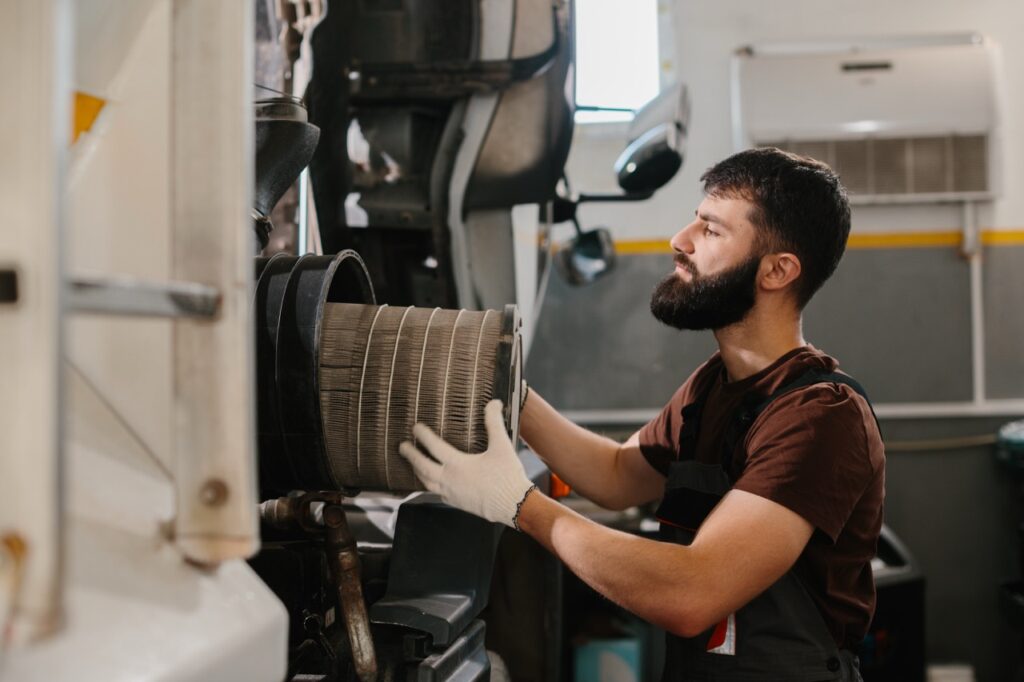
How Preventive Maintenance Saves Money Over Time
According to the U.S. Department of Energy, organizations that implement preventive maintenance programs can reduce equipment breakdowns by as much as 70 percent and lower maintenance costs by 12 to 18 percent. These savings come from preventing failures before they occur instead of paying for emergency repairs, overtime labor, and business disruptions.
Why Does Preventive Maintenance Deliver a Better ROI Than Reactive Repairs?
Preventive maintenance addresses small issues before they become expensive failures.
Reactive maintenance often costs more because repairs occur after equipment has already failed, leading to higher labor costs, emergency service fees, replacement parts, and operational downtime.
Preventive maintenance helps reduce:
- Emergency repair expenses
- Equipment replacement costs
- Business interruptions
- Utility waste caused by inefficient systems
- Safety risks associated with failing equipment
The result is lower operating costs and more predictable maintenance budgets.
How Does Preventive Maintenance Reduce Business Downtime?
Routine inspections and scheduled servicing help prevent unexpected equipment failures that interrupt daily operations.
When essential systems fail unexpectedly, businesses often experience delays, lost productivity, dissatisfied customers, and missed revenue opportunities.
Preventive maintenance keeps critical assets operating reliably by:
- Identifying worn components before failure
- Replacing parts during planned service visits
- Testing equipment performance
- Monitoring system efficiency
- Correcting minor problems before they escalate
For facilities that operate around the clock, reducing even a few hours of downtime can generate significant financial savings.
Which Building Systems Benefit Most From Preventive Maintenance?
Nearly every major building system benefits from scheduled maintenance, but some provide especially strong returns.
High-value assets include:
- HVAC systems
- Commercial roofing
- Plumbing systems
- Electrical infrastructure
- Mechanical equipment
- Fire protection systems
- Lighting systems
- Loading docks and overhead doors
Regular maintenance extends the useful life of these assets while improving reliability and reducing capital replacement costs.
Can Preventive Maintenance Lower Energy Costs?
Yes. Well-maintained equipment operates more efficiently, reducing energy consumption and utility expenses.
Dirty HVAC filters, worn motors, failing belts, clogged coils, and neglected mechanical systems often require more energy to perform the same work.
According to ENERGY STAR, improving equipment efficiency through regular maintenance can help commercial buildings reduce energy use while improving occupant comfort.
Simple maintenance activities such as changing filters, cleaning coils, lubricating moving components, and calibrating controls contribute to measurable energy savings over time.
How Can Facility Managers Measure Preventive Maintenance ROI?
The return on investment can be measured by comparing maintenance costs with avoided repair expenses and improved operational performance.
Common performance indicators include:
- Reduced emergency work orders
- Lower repair costs
- Increased equipment lifespan
- Fewer equipment failures
- Improved energy efficiency
- Reduced downtime
- Higher occupant satisfaction
Tracking these metrics allows facility managers to demonstrate the financial value of preventive maintenance programs to leadership and stakeholders.
Frequently Asked Questions
How often should preventive maintenance be performed?
Maintenance schedules vary by equipment type, manufacturer recommendations, and operating conditions. Most commercial facilities perform inspections monthly, quarterly, or semi-annually, with annual comprehensive evaluations.
Is preventive maintenance less expensive than emergency repairs?
Yes. Planned maintenance is typically much less expensive than emergency service because it reduces overtime labor, minimizes equipment damage, and prevents costly operational disruptions.
Does preventive maintenance extend equipment life?
Yes. Routine servicing reduces wear and tear, helping equipment operate efficiently for more years before replacement becomes necessary.
What industries benefit most from preventive maintenance?
Nearly every commercial industry benefits, including healthcare, manufacturing, retail, office buildings, education, hospitality, warehouses, and industrial facilities. Any organization that depends on reliable building systems can improve performance through preventive maintenance.
Protect Your Facility and Maximize Your Investment
Preventive maintenance is more than a maintenance strategy. It is a business investment that improves reliability, lowers operating costs, protects valuable assets, and supports long-term success. Organizations that take a proactive approach spend less time responding to emergencies and more time focusing on their core business.
Ready to improve the performance of your commercial facility? Contact ServWell National today to learn how our preventive maintenance and facility services can help reduce costs, minimize downtime, and maximize the return on your building investment. Visit our contact page to get started.