How Preventive Facility Maintenance Reduces Long-Term Operating Costs
Facility maintenance is one of the most important investments a business can make, yet many organizations still wait until equipment fails before taking action. While reactive maintenance may seem less expensive in the short term, unexpected breakdowns often lead to larger repair bills, operational disruptions, and costly downtime. For commercial properties across Texas and nationwide, choosing the right maintenance strategy can directly impact profitability, efficiency, and customer experience.
At Servwell National, we help businesses stay ahead of costly issues with proactive facility management and integrated maintenance solutions. From commercial buildings and industrial facilities to restaurants and retail spaces, our team understands the unique demands that property owners and facility managers face every day. In climates like North Texas, where extreme heat, storms, and heavy HVAC usage can strain building systems year-round, preventative maintenance is more important than ever.
In this guide, we’ll compare preventative maintenance and reactive maintenance, explain the financial impact of each approach, and show why proactive facility services continue to be the smarter long-term investment for businesses focused on reliability, safety, and operational efficiency.
What Is Preventative Maintenance?
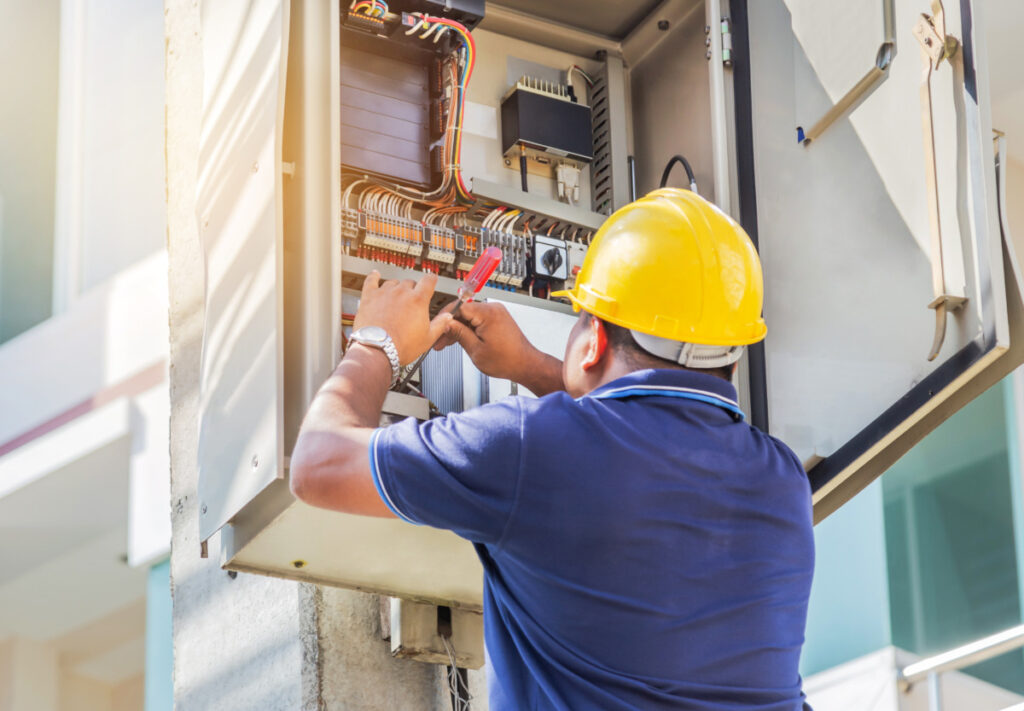
Preventative maintenance is a planned, proactive approach to maintaining equipment, systems, and facilities before problems occur. Instead of waiting for something to break, facility managers schedule regular inspections, servicing, cleaning, and repairs to keep operations running smoothly.
Examples of preventative maintenance include:
- HVAC inspections and seasonal tune-ups
- Electrical system testing
- Plumbing inspections
- Roof and exterior evaluations
- Preventive maintenance for restaurants and kitchens
- Equipment lubrication and calibration
- Pest control and environmental services
This strategy is designed to reduce downtime, extend equipment lifespan, and improve overall building performance.
According to industry research from the U.S. Department of Energy, preventative maintenance can reduce equipment breakdowns by as much as 70 percent and lower repair costs by up to 25 percent. Businesses that invest in preventive maintenance plans often experience fewer disruptions and more predictable operational expenses.
What Is Reactive Maintenance?
Reactive maintenance, sometimes called “run-to-failure” maintenance, occurs when repairs are only made after equipment stops working or a problem becomes unavoidable.
For example:
- Repairing an HVAC unit after it completely fails during a Texas summer heatwave
- Fixing a burst pipe after water damage has already occurred
- Replacing restaurant equipment after it disrupts operations
While reactive maintenance may appear cost-effective initially because there are no scheduled service costs, the long-term financial consequences are often significant.
Unexpected failures can lead to:
- Emergency repair expenses
- Operational downtime
- Lost revenue
- Safety concerns
- Damage to surrounding systems
- Reduced equipment lifespan
In high-demand commercial environments, especially facilities operating around the clock, reactive maintenance can quickly become more expensive than planned preventative services.
The Hidden Costs of Reactive Maintenance
Many businesses underestimate the true cost of reactive maintenance because they only account for the immediate repair bill. However, the indirect costs are often much larger.
Downtime Impacts Revenue
When critical systems fail, businesses may need to pause operations entirely. For restaurants, retail spaces, healthcare facilities, or industrial buildings, even a few hours of downtime can affect revenue, customer trust, and employee productivity.
Imagine a restaurant in the Dallas-Fort Worth area losing refrigeration during a busy weekend. The costs may include spoiled inventory, emergency repairs, temporary closure, and dissatisfied customers.
Emergency Repairs Cost More
Emergency maintenance services typically come with higher labor costs, expedited parts pricing, and after-hours service fees. A repair that could have been handled during routine maintenance may become a much more expensive emergency situation.
Equipment Lifespan Decreases
Without routine inspections and servicing, equipment experiences greater wear and tear. This often leads to premature replacements that could have been avoided through consistent maintenance.
Commercial HVAC systems, for example, can often last 15 to 20 years with proper maintenance. Neglected systems may fail much sooner.
Why Preventative Maintenance Saves More Money
Preventative maintenance creates long-term financial advantages by helping businesses avoid major disruptions and maximize operational efficiency.
Lower Long-Term Repair Costs
Routine maintenance identifies small issues before they become major problems. Replacing worn belts, tightening electrical connections, or cleaning HVAC coils are inexpensive compared to replacing entire systems after catastrophic failure.
This proactive approach helps businesses better control maintenance budgets and reduce surprise expenses.
Improved Energy Efficiency
Poorly maintained systems often consume more energy. Dirty HVAC filters, failing motors, and neglected equipment force systems to work harder, increasing utility costs.
In Texas, where cooling systems work heavily throughout much of the year, preventative HVAC maintenance can significantly improve energy performance and reduce monthly operating expenses.
Better Safety and Compliance
Routine inspections help businesses identify safety hazards and maintain compliance with industry standards and local regulations. This is especially important for industrial facilities, healthcare environments, restaurants, and commercial buildings with high occupancy.
Preventative maintenance can help reduce risks related to:
- Electrical failures
- Fire hazards
- Air quality issues
- Plumbing leaks
- Equipment malfunctions
Stronger Customer Experience
Customers notice when facilities are clean, comfortable, and functioning properly. Reliable building operations contribute to a positive customer experience, whether in a retail store, office building, restaurant, or healthcare facility.
Unexpected maintenance issues can quickly damage customer confidence and brand reputation.
How Servwell National Supports Proactive Facility Management
At Servwell National, we provide integrated facility management services designed to help businesses stay ahead of costly maintenance issues. Our proactive approach combines industry expertise, responsive service, and customized maintenance strategies tailored to each client’s needs.
Our services include:
- Commercial facility maintenance
- Industrial maintenance services
- Building operations support
- Environmental services
- Preventive maintenance planning
- Facility asset management
- Integrated facility management services
We work closely with facility managers and property owners to create maintenance schedules that align with operational goals, equipment demands, and budget considerations.
Because we understand the unique challenges businesses face across Texas and nationwide, our team focuses on minimizing disruptions while maximizing long-term performance and reliability.
Choosing the Right Maintenance Strategy for Your Facility
Every facility is different, but most businesses benefit from a maintenance strategy that prioritizes prevention over reaction. The best approach often combines routine preventative maintenance with a responsive support plan for unexpected situations.
Questions to consider include:
- How critical is equipment uptime to daily operations?
- What are the costs of downtime for your business?
- Are current repair expenses increasing year after year?
- Could preventative maintenance improve energy efficiency?
- Is aging equipment becoming less reliable?
If maintenance issues are becoming more frequent or unpredictable, it may be time to transition to a proactive facility management strategy.
Invest in Long-Term Savings with Preventative Maintenance
Reactive maintenance may seem convenient in the moment, but the long-term financial impact can be substantial. Preventative maintenance helps businesses reduce downtime, lower repair costs, improve energy efficiency, and extend equipment lifespan.
For commercial facilities, industrial properties, restaurants, and multi-site operations, proactive maintenance is not just about fixing problems. It’s about protecting operations, improving customer experience, and supporting long-term growth.
Servwell National is committed to helping businesses create smarter maintenance strategies that improve reliability and operational performance year-round.
Ready to reduce costly breakdowns and improve facility performance? Contact Servwell National today to learn more about our preventative maintenance and integrated facility management solutions.