Emergency Facility Repair Services That Minimize Downtime
When a facility emergency strikes, every minute matters. Whether it is a burst pipe, HVAC failure, electrical outage, roof leak, or another unexpected issue, the way you respond can significantly impact safety, operational continuity, and repair costs. Facility managers, property owners, and operations teams are often faced with high-pressure decisions that must be made quickly and correctly.
At Servwell National, we understand that emergencies do not wait for convenient times. Our team works with commercial facilities across the country to coordinate facility maintenance services, emergency repairs, and ongoing building support that help organizations minimize disruption and protect their assets. With a nationwide network of qualified service providers and a commitment to responsive customer care, we help businesses navigate urgent repair situations with confidence.
According to industry studies, unplanned downtime can cost organizations thousands of dollars per hour, depending on the industry and facility type. Having a clear emergency response plan can significantly reduce both financial losses and operational disruptions. Knowing what steps to take before, during, and after an emergency repair can make all the difference.
Prioritize Safety Before Anything Else
The first and most important step during any facility emergency is protecting people.
Before assessing property damage or operational impacts, ensure employees, customers, contractors, and visitors are safe. Depending on the situation, this may involve evacuating part or all of the facility, shutting off utilities, or restricting access to hazardous areas.
Common facility emergencies that require immediate safety measures include:
- Electrical failures or exposed wiring
- Water leaks near electrical equipment
- Gas leaks
- Structural damage
- Fire or smoke-related incidents
- Severe weather damage
Facilities located in regions prone to extreme weather, including areas that experience hurricanes, tornadoes, flooding, or severe winter storms, should have emergency procedures in place well before an event occurs. Fast action can prevent injuries and reduce liability risks.
Assess and Document the Damage
Once the immediate safety concerns have been addressed, conduct an initial assessment of the damage.
Documenting the situation helps support insurance claims, service provider communication, and repair planning. Take photos and videos from multiple angles and create detailed notes about the affected areas.
Key details to document include:
- Time and date of the incident
- Areas impacted
- Visible damage
- Equipment affected
- Operational disruptions
- Temporary mitigation measures taken
For larger facilities, data centers, healthcare environments, retail chains, and industrial operations, thorough documentation can be especially important when coordinating multiple vendors and stakeholders.
Contact Qualified Emergency Repair Professionals
Many facility issues may appear manageable at first glance but can quickly become more serious if improperly handled.
Working with experienced facility maintenance professionals ensures repairs are completed safely, efficiently, and in compliance with applicable regulations. Rather than spending valuable time searching for available contractors during a crisis, facilities benefit from having an established emergency repair partner.
Servwell National helps coordinate emergency facility services through a trusted network of qualified providers across the country. This streamlined approach allows businesses to access responsive support without the delays often associated with vendor sourcing during emergencies.
Emergency repairs commonly include:
- HVAC system failures
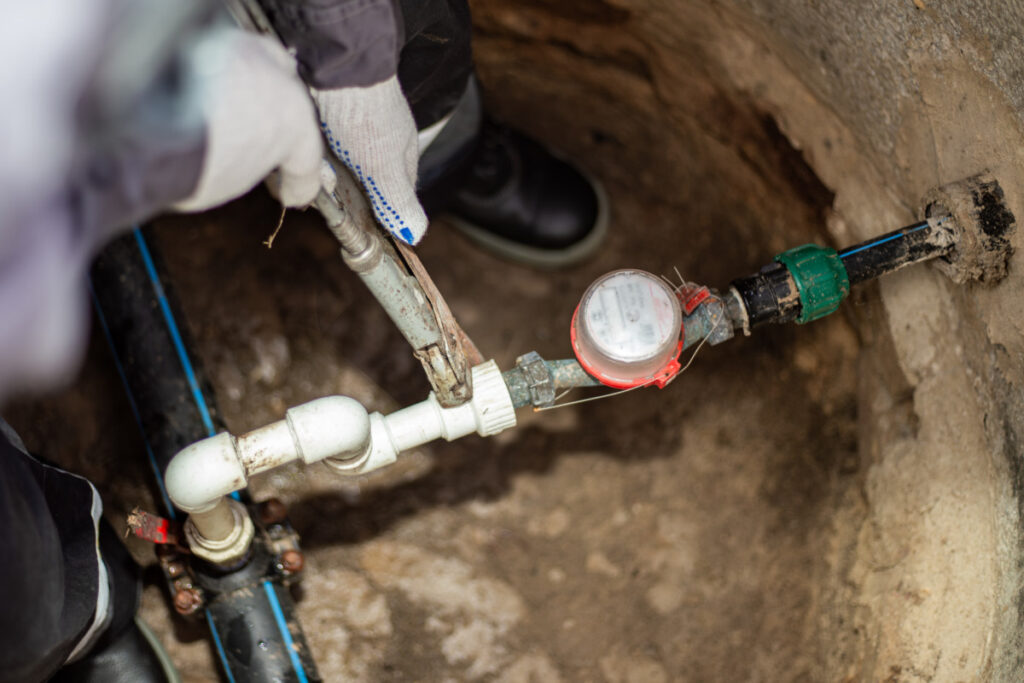
- Plumbing emergencies
- Electrical repairs
- Roofing and water intrusion issues
- Building envelope damage
- Mechanical system failures
- General facility maintenance concerns
The faster qualified technicians can begin mitigation efforts, the lower the likelihood of secondary damage and prolonged downtime.
Implement Temporary Solutions to Reduce Further Damage
In many emergency situations, permanent repairs cannot happen immediately. Parts may need to be ordered, specialized contractors may need to be scheduled, or weather conditions may delay work.
Temporary mitigation measures can help limit additional damage while long-term repairs are arranged.
Examples include:
- Placing containment systems under leaks
- Installing temporary roofing protection
- Using portable cooling or heating equipment
- Deploying backup generators
- Isolating affected utility systems
- Restricting access to damaged areas
For facilities in coastal regions, temporary storm damage mitigation may be particularly important during hurricane season. In northern climates, rapid responses to frozen pipes or heating failures can help prevent extensive property damage during winter weather events.
The goal is to stabilize the situation and maintain operations whenever possible until permanent repairs can be completed.
Review, Improve, and Prevent Future Emergencies
Once repairs are complete, the work should not stop there.
Every emergency presents an opportunity to strengthen facility operations and reduce future risk. Conduct a post-incident review to identify what caused the issue and whether preventative maintenance could have prevented it.
Questions to consider include:
- Was the emergency preventable?
- Were response procedures effective?
- Did communication flow efficiently?
- Were vendors available when needed?
- What systems require closer monitoring?
Preventive maintenance programs remain one of the most effective ways to reduce emergency repair incidents. Regular inspections, equipment servicing, and facility assessments help identify developing problems before they become costly emergencies.
Many organizations are moving toward proactive facility management strategies that combine preventive maintenance, asset tracking, and integrated facility management services to improve reliability and reduce operational disruptions.
By investing in ongoing facility maintenance services, businesses can often reduce emergency repair costs while extending the lifespan of critical building systems.
Why Partnering with a National Facility Services Provider Matters
Managing emergency repairs becomes significantly easier when you have a trusted facility partner already in place.
Instead of scrambling to locate available vendors during a crisis, organizations can rely on established relationships, streamlined communication, and coordinated service delivery. This approach is particularly valuable for multi-location businesses, retail chains, healthcare facilities, industrial properties, and commercial real estate portfolios.
Servwell National provides comprehensive facility solutions designed to help businesses maintain safe, efficient, and productive environments. From emergency response coordination to ongoing facility maintenance and integrated facility management services, our team helps organizations stay prepared for both planned and unexpected challenges.
Be Ready Before the Next Emergency Happens
Facility emergencies are unpredictable, but your response does not have to be. By prioritizing safety, documenting damage, engaging qualified repair professionals, implementing temporary mitigation measures, and strengthening preventive maintenance efforts, your organization can reduce downtime and recover more efficiently.
When every minute counts, having the right facility services partner can make all the difference.
Ready to protect your facility and respond faster to emergencies? Contact Servwell National today to learn how our facility maintenance and emergency repair solutions can help keep your operations running smoothly. Visit our contact page to get started.